Benefactours

World Safari and Volunteer Adventures

Call 1-604-685-0555

  • Home
  • About
    • About Us
    • Why BenefacTours
  • Destinations
    • Design Your Own Tour
    • Private Tours
    • Group Tours
  • Blog
  • Travel Resources
    • BenefacTours FAQ
    • Travel Consulting
    • Your Security
    • Booking Conditions
  • BenefacTours Testimonials
  • Contact

What Can I Carry On?

November 11, 2015 By Cynthia Holmes

What Can I Carry On

Q – What can I carry-on an airplane?

A – Different airlines will have their own rules about this so be sure to check before you depart. Transport Canada allows a maximum of two carry-on bags per person.  The acceptable size for carry-on bags is set by your airline. I have had to stuff my purse and airline pillow into my carry-on bag, and even my pockets, due to rules about 1 carry-on only. See more about this here.

Q – How do I transport batteries?

A – Carry your batteries in your carry-on luggage. Not all airlines allow AAA, AA or D batteries. See here for more on this and be sure to read about how to transport spare batteries. If you do not have original packaging, tape them onto a piece of paper or cardboard so they will not move while in transit.

Q – Should I lock my checked bag?

A – I say yes. We have all heard stories of people getting arrested at the far end after someone has planted something in their bags. You can claim innocence all you like; but ultimately you are always responsible for what is in your baggage. In Canada, officers may open certain locks to check the contents of bags. If they cannot open the bag, they are not allowed to break the lock, so your bag may be kept behind. Read more about this here and use the approved locks. If you are travelling to the US, check the TSA website.

Q – What can I bring into Canada?

A – Check the Canada Border Services website so that you are up to date with exemptions and allowances. Declare everything! For other countries, check with their Governments.
 

Filed Under: Uncategorized, Featured, Blog

Travel Medical Advice

September 21, 2015 By Cynthia Holmes

Travel Medical AdviceConsult with your local travel medicine authorities for travel medical advice and/or refer to World Health Organization or  Centers for Disease Control and Prevention. You may require immunizations, depending on your travel destination, the length of your stay, and whether or not your routine immunizations are up-to-date. Since it can take several weeks for an immunization to protect you against a disease, you should consult a travel health clinic or your family physician 6 to 8 weeks before your trip in order to allow enough time for the vaccines or immunizing agent to take effect.
Health and Prevention

Malaria
If you are traveling in endemic areas it is extremely important to avoid mosquito bites and to take tablets to prevent this disease. Symptoms range from fever, chills and sweating, headache, diarrhea and abdominal pains to a vague feeling of ill-health. Seek medical help immediately if malaria is suspected. Without treatment, malaria can rapidly become more serious and can be fatal.

If medical care is not available, malaria tablets can be used for treatment. You should seek medical advice, before you travel, on the right medication and dosage for you. If you do contract malaria, be sure to be re-tested for malaria once you return home as you can harbor malaria parasites in your body even if you are symptom free.

Travellers are advised to prevent mosquito bites at all times. The main messages are: wear light-coloured clothing; wear long trousers and long-sleeved shirts; use mosquito repellents containing the compound DEET on exposed areas (prolonged overuse of DEET may be harmful, especially to children, but its use is considered preferable to being bitten by disease-transmitting mosquitoes); avoid perfumes and aftershave; use a mosquito net impregnated with mosquito repellent (permethrin) – it may be worth taking your own, and impregnating clothes with permethrin effectively deters mosquitoes and other insects.

Schistosomiasis (bilharzia)
Also known as bilharzia, this disease is carried in freshwater by tiny worms that enter through the skin and attach themselves to the intestines or bladder. The first symptom may be tingling and sometimes a light rash around the area where the worm entered. Weeks later, a high fever may develop. A general unwell feeling may be the first symptom, or there may be no symptoms. Once the disease is established, abdominal pain and blood in the urine are other signs. The infection often causes no symptoms until the disease is well established (several months to years after exposure), and damage to internal organs is irreversible. Avoid swimming or bathing in freshwater where bilharzia is present. Even deep water can be infected. If you do get wet, dry off quickly and dry your clothes as well.

HIV/AIDS
HIV (Human Immuno-deficiency Virus) develops into AIDS (Acquired Immune Deficiency Syndrome), which is a fatal disease. Any exposure to blood, blood products or body fluids may put the individual at risk. The disease is often transmitted through sexual contact or dirty needles – body piercing, acupuncture, tattooing and vaccinations can be potentially as dangerous as intravenous drug use. HIV and AIDS can also be spread via infected blood transfusions, but blood supplies in most reputable hospitals are now screened, so the risk from transfusions is low. If you do need an injection, ask to see the syringe unwrapped in front of you, or take a needle and syringe pack with you. Fear of HIV infection should not preclude treatment for any serious medical conditions. Most countries have organizations and services for HIV-positive folk and people with AIDS. For a list of organizations divided by country, plus descriptions of their services, see www.aidsmap.com.

Other diseases and Immunization
The actual immunizations you may require will vary according to your age, health, and any pre-existing medical conditions, as well as the nature of your travel, whether you will be staying in city hotels or travelling in remote rural areas. A travel health clinic or family physician should assess your individual circumstances and provide any vaccines that may be required for your trip. This is especially important if you plan to travel with infants or young children.

A list of diseases for which immunization may be required follows.

Diphtheria

Hepatitis A

Hepatitis B

Measles

Meningococcal meningitis

Rabies

Rubella

Tetanus

Typhoid

Yellow Fever

Diphtheria
Diphtheria is an acute bacterial infection of the throat, nose and tonsils, resulting in lesions in the infected area. In severe cases, it can cause swelling and fluid build-up in the neck. Diphtheria can also infect the skin, causing lesions similar to impetigo. In Canada, a diphtheria booster shot is recommended every 10 years. All travellers should have up-to-date diphtheria shots prior to travel.

Hepatitis A
Hepatitis A is a viral disease affecting the liver. The symptoms include abrupt fever, malaise, loss of appetite, nausea and abdominal discomfort, followed by jaundice (yellowing of skin colour). Hepatitis A varies in severity and duration of the illness. In rare cases it can cause fatal liver damage. Protection against Hepatitis A through immunization with Hepatitis A vaccine is recommended for travellers to developing countries, especially rural areas, or areas where the hygienic quality of food and water supply is likely to be poor, or areas where Hepatitis A is widespread. For infants < 1 year and in individuals for whom the vaccine is contraindicated, Immune Serum Globulin (ISG) may be used. ISG provides protection for 4-6 months. Those living for prolonged periods in developing countries may require a booster. A travel health clinic or family physician will recommend which immunization is appropriate for individual circumstances.

Hepatitis B
Hepatitis B is also a viral disease affecting the liver. Usually more serious than Hepatitis A, its symptoms include gradual development of fever, loss of appetite, abdominal discomfort, nausea and vomiting, joint pain, rash and frequently progresses to jaundice. Its severity also varies, but a greater percentage of cases will involve destruction of the liver cells resulting in liver failure and death. Unlike Hepatitis A, Hepatitis B is transmitted through contact with infected blood and other body fluids. Any traveller who will be staying in an area with widespread Hepatitis B for longer than 6 months, or who is doing medical work, or who is likely to have contact with blood or sexual contact with residents of such areas, should be immunized with Hepatitis B vaccine.

Measles
Measles is an acute highly infectious disease caused by a virus. A fever usually develops before the symptoms which include inflammation of the tissue around the eyes, inflammation of the nasal tissues with severe runny nose, cough and red blotchy rash on the skin. Two doses of measles vaccine are recommended for all unimmunized travellers aged > 1 year who were born after 1970 and who are en route to a measles endemic area, unless there is serologic proof of immunity or physician documentation of prior measles.

Meningococcal Meningitis
Meningococcal meningitis is an acute bacterial infection resulting in the sudden development of fever, intense headache, nausea and often vomiting, stiff neck and a distinctive rash. Severe cases can result in delirium and coma and, if untreated, toxic shock and death. Meningococcal disease occurs seasonally in some regions of the world. In Sub-Sahara Africa, epidemics of meningococcal disease occur between December and June. Short-term travellers staying in city hotels with high standards, and little contact with the local population, are at minimal risk and should not need to be vaccinated for travel in Asia, Africa or Latin America.

Rabies
Rabies is an acute viral infection, causing inflammation of the brain and spinal cord which is invariably fatal. Rabies occurs in many areas of the world. Travellers planning extended visits to countries where rabies control programs for domestic animals are inadequate, or who are planning to live in areas where rabies is widespread should consider pre-exposure immunization with rabies vaccine. A post-exposure vaccine exists for use following a bite by a rabid animal; however, it may not be easily available in all countries. Regardless of whether pre-exposure immunization has been given, any traveller bitten by a rabid animal should be given the post-exposure vaccine immediately.

Rubella
Rubella, also known as German measles, is usually a mild illness caused by a virus. Its symptoms include fever, headache, malaise, inflammation of the tissues around the eyes and a widespread rash. Rubella can cause serious birth defects in an unborn child should the mother be infected during pregnancy. All children and women of childbearing age who have never had rubella or have not been previously vaccinated, should be given a rubella vaccine prior to travel.

Tetanus
Tetanus, also known as lockjaw, is caused by a toxin produced by the tetanus bacteria. This bacteria, found usually in the soil, infects an open wound or cut and begins to produce toxin. The toxin causes painful muscle contractions usually in the face and neck muscles. If untreated, the contractions can restrict breathing, causing death. In Canada, a tetanus booster shot is recommended every 10 years. All travellers should have up-to-date tetanus shots prior to travel.

Typhoid
Typhoid fever is caused by a bacterial infection. Its symptoms include a sustained fever, headache, malaise, loss of appetite, slowed heartbeat, enlarged spleen and rose spots developing on the trunk of the body. Typhoid is typically spread through water which has not been adequately treated to remove or kill the bacteria. Typhoid vaccine is recommended for any traveller who will have prolonged exposure to potentially contaminated water and food. Most urban tourist destinations provide water which is adequately treated; however, if you plan to travel in smaller cities and villages in developing countries, or rural areas off the usual tourist routes, you may need to be vaccinated against typhoid before you travel. A blood test is the most reliable test, but it will not show positive until a number of weeks after exposure.

Yellow Fever
You must produce proof of Yellow Fever immunization prior to entering most African countries. Yellow fever is transmitted through the bite of an infected mosquito. There is an effective vaccine against yellow fever, so if you have been immunized, you can basically rule this disease out. Symptoms of yellow fever range from a mild fever which resolves over a few days to more serious forms with fever, headache, muscle pains, abdominal pain and vomiting. This can progress to bleeding, shock and liver and kidney failure. The liver failure causes jaundice, or yellowing of your skin and the whites of your eyes – hence the name. There’s no specific treatment but you should seek medical help urgently if you think you have yellow fever.

International Health Regulations, established by the World Health Organization, require that travellers to regions where yellow fever is found be vaccinated against yellow fever and given an International Certificate of Vaccination. A valid certificate issued within the past 10 years is required for entry into 21 countries in Central Africa and South America. In addition, 102 other countries require proof of vaccination from travellers who have passed through (non-direct flights) an area where yellow fever occurs. Travellers without proper vaccination and certificate can be seriously delayed, depending on the route and destination. Both the vaccine and certificate are only available at certain travel medicine clinics recognized by the Public Health Agency of Canada as yellow fever clinics. http://www.phac-aspc.gc.ca/tmp-pmv/yf-fj/index-eng.php

Filed Under: Uncategorized, Featured, Blog

Sailing Adventures

September 7, 2015 By Cynthia Holmes

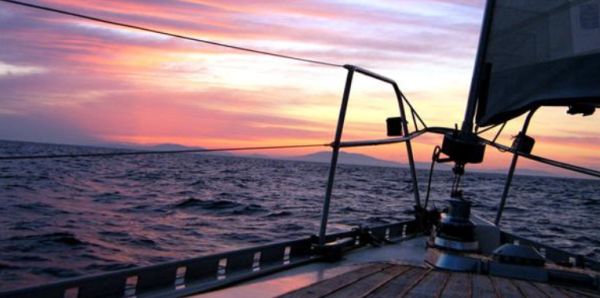
sailing adventuresSailing Adventures
Are you looking for a little adventure? Why not set sail on a small or mid-sized boat while exploring a new country? Discover the Caribbean, SE Asia, South America or Europe from the clear blue sea.

Croatia – 8 days, Dubrovnik to Split $1162 CAD ($875 US) on Oct 3 (save 25%). Discover secluded islands and deserted beaches, explore Korčula- the birth place of Marco Polo, wander the forested paradise of Mljet National Park, connect with history at Diocletian’s Palace in Split, Enjoy the nightlife while meeting new friends.

Cuba –  8 days, Havana to Havana From$1499 CAD ($1129 US), on select Oct – Dec departures (save 15 – 25%). Sail on a catamaran through the beautiful turquoise waters of the Canarreos Archipelago, stop to snorkel or share a drink with friendly locals, enjoy the slow pace of life in the islands.

Greece – 8 days, Santorini to Mykonos, $1239 CAD ($933 US) on Oct 4. Explore ancient archaeological sites, enjoy taverna-lined harbours, and dine on fresh seafood.

Thailand – 4 days, Koh Phi Phi Island to Phuket, $807 CAD ($608 US) on Oct 20, or do in reverse Oct 17. Relax on the deck of your yacht in the stunning southern Thai islands, eat delicious Thai cuisine, lounge out on beautiful beaches, swim and snorkel in quiet bays.

Turkey – 10 days, Fethiye to Bodrum $1499 CAD ($1129 US) on Oct 19 (save 25%). Discover tiny villages and secluded islands with deserted beaches, swim in clear turquoise waters, learn to sail a catamaran, hike through ancient ruins, marvel at the ancient rock tombs in Dalyan, sail into the ancient port of Bodrum.

South America Cruise – 38 days Ushuaia to Cartagena, from $19,999 CAD ($15,063 US) select departures March and April 2016. Begin this incredible journey at the end of the earth in Ushuaia where you’ll sail north through incredible fjords and past glaciers before heading on up to the Caribbean coast in search of tropical islands hugged by turquoise waters.

Many more sailing adventures on offer. Contact us for more information.

Filed Under: Uncategorized, Featured, Blog

Canned Lion Hunting Truth

July 31, 2015 By Cynthia Holmes

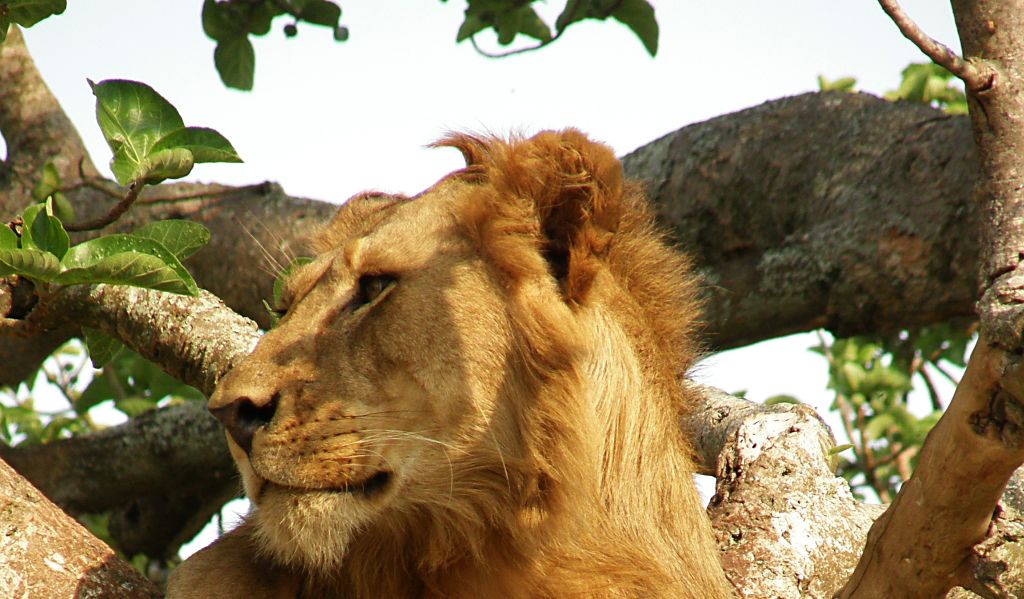
Queen Elizabeth Park SafariCanned lion hunting – thousands of lions are set to die at the hands of “hunters”. There is so much discussion as of late about the American hunter who killed a lion in Zimbabwe. What he did is disgusting, yes, but people should know that this happens every day in South Africa!
The reason that this story has hit the news is that the lion Cecil was well-known and beloved. I have to ask, what about the thousands of other lions and other big game that are bred purely for some hunter to pull a trigger and call it sport?

There are hundreds of canned lion hunting farms in South Africa and more lions in captivity on those farms than in the wild. Here is more on this story by Huffington Post and video.

Farms may refer themselves as a private wildlife park, when in reality, they are breeding wildlife only to be killed for money, lots of it. Some allow people onto their site so they can pet and play with the baby lions and other wildlife, or even walk with tame big cats. What you don’t see is the hidden area where other big cats and other animals are waiting their demise at the hand of someone with a lot of money and the desire to kill. I urge people to do research before you visit a farm like this in South Africa.  A true sanctuary for injured and abused wildlife is something else.

Breeders in canned hunting farms remove cubs from their mother at birth so that the lioness will quickly become fertile again. For an animal that is usually weaned at six months, missing out on the crucial colostrum, or first milk, can cause ill-health. The lioness is just a breeding machine. The whole game is just cruel.

It is still legal to bring a lion carcass back to Britain, or anywhere in Europe or North America as a trophy, and much of the demand comes from overseas. Trophy-hunters are attracted by the guarantee of success. Where is the sport in killing a defenseless animal? Wild populations of lions have declined by 80% in 20 years thanks to lion hunting.

Demand for lion parts for traditional Asian medicine is soaring. Let’s hope something is done to stop this archaic behaviour before they become extinct, as is the fate facing many species of rhinos. With poaching of elephants and rhinos having become an epidemic, people need to give their heads a shake. Go on safari with your camera instead.  It is unforgettable and you will be able to live with yourself afterwards.

Filed Under: Featured, Blog

Travel Galapagos

July 24, 2015 By Cynthia Holmes

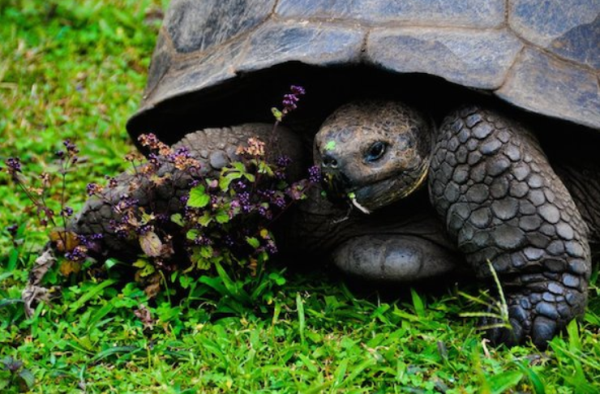
galapagos turtleTravel Galapagos will leave you with memories of unparalleled natural beauty. The Galapagos Islands are known for their numerous endemic species and the studies done by Charles Darwin that led him to establish his theory of evolution. The Galapagos Marine Reserve is the second largest marine reserve in the world.

Much of the charm of the islands is for their wonderful and unique species: iguanas, sea lions, turtles, penguins, boobies and much more.

This extraordinary natural laboratory was declared World Heritage by UNESCO in 1978. The Enchanting Islands consist of 13 major islands, 6 smaller islands, 42 islets and several rocks, which cover a total area of 7850 km ².

Currently the islands contain one of the world’s most active volcanic groups. Sports, like cycling, hiking, kayaking, surfing, diving and snorkeling, can be practiced. All of these exciting activities occur in a safe environment with unique landscapes.

The best way to travel Galapagos and discover the Enchanted Islands is to stay on cruise ships and sail to each island. A naturalist guide always travels on the cruise ships. Cruises normally run 7 – 14 days, starting at $2700 CAD ($2075 US). Some will include a few days in Quito, Ecuador’s capital city.

To book a trip to travel Galapagos, send us an inquiry using the form to the right.

Filed Under: Blog, Uncategorized, Featured

Nepal Relief

May 1, 2015 By Cynthia Holmes

Nepal earthquake reliefNepal had been devastated by the recent earthquake and many governments and organizations have set up Nepal Relief funds. Here is a status update just received from our business partners in Nepal, and how you can help.

Our travel partners in Nepal are experiencing the devastation first hand. They have guides and other staff whose homes are destroyed. Key points from them about this tragedy:

• An estimated 4.8 million people have been displaced by the earthquake, as hundreds of thousands of people are afraid to return to their homes.

• More than 100,000 houses have been destroyed, a figure that is expected to rise.

• Fuel is urgently needed to pump ground water and maintain hospital services.

• Rain and thunder are forecast for the next 10 days ahead of monsoon season from June to September.

• Hospital capacity has been overwhelmed, forcing many people to be treated on roads. Managing dead bodies has been challenging and surgical facilities are overwhelmed. Many hospitals near Kathmandu have reportedly run out of medicines. Diarrhea is already an issue in the Kathmandu valley.

• An estimated 5.2 million people are in urgent need of water, sanitation and hygiene support.

• Some 4.5 million people need food assistance, including 2.4 million in need of priority assistance.

PLEASE Donate!

CANADA

  • Government of Canada  – Nepal Earthquake Relief Fund

Canada’s Minister of Foreign Affairs, today announced that the Government of Canada has established the Nepal Earthquake Relief Fund. For every eligible donation made by individual Canadians to registered Canadian charities between April 25 and May 25, the Government of Canada will contribute an equivalent amount to the Nepal Earthquake Relief Fund. This matching contribution will support humanitarian, early recovery and reconstruction assistance in Nepal through projects undertaken by Canada’s international humanitarian and non-governmental partners responding to the earthquake according to established channels and procedures. The Nepal Earthquake Relief Fund is separate from the funds raised by charities and will be administered by the Government of Canada.

  • CBC has published a list of charities accepting donations now.  Here are a few of the very worthwhile charities helping now:
  • Red Cross – Red Cross teams are on the ground providing assistance and Canadians are encouraged to help support the effort.
  •  UNICEF is responding to the needs of children and families affected by the 7.8 magnitude earthquake that has struck the area in and around the capital city of Kathmandu in Nepal. The earthquake has toppled buildings and destroyed roads and infrastructure.
  • MSF – Medecines Sans Frontiers’ teams are conducting mobile clinics and treating patients, preparing to build field hospitals.
  • Travel Companies – Intrepid Travel and G Adventures

OTHER COUNTRIES

Check your own government’s commitment to assisting Nepal in this time of crisis, or your own Red Cross, MSF, Unicef or other charity.

Every little bit helps. Thank-you for your generosity.


Filed Under: Uncategorized, Featured, Blog

  • « Previous Page
  • 1
  • …
  • 3
  • 4
  • 5
  • 6
  • 7
  • 8
  • Next Page »
Have questions or can’t find what you are looking for? We’re happy to help. Ask your question below.

    Your Name (required)

    Your Email (required)

    Subject

    [your-subject]

    Your Message

    Please Enter Code
    captcha  

    Your Tour Guide

    Cynthia Holmes
    Traveller / Owner
    Send an Email
    Tel: 1 (604) 685-0555

    Recent Posts

    • Why Travelers Are Flocking To Africa
    • Lose Yourself At Lewa Conservancy, Kenya
    • Chitwan National Park
    • Visit Alicante Spain
    • Need To Know To Book A Safari
    • Covid 19 Safety Protocols
    • Offset Carbon When Travelling
    • Sitemap
    • Contact
    • Booking Conditions
    • BenefacTours FAQ
    • Privacy Policy

    Copyright © 2026 BenefacTours Inc. 1489 Harold Rd. North Vancouver, BC, V7J 1X2 Canada

    Telephone Local: 1-604-685-0555 Toll Free Canada: 1-877-687-0555 Skype: benefactours

    Hours: Monday – Friday 8 am – 5 pm PST, Saturday 9 am – 4 pm PST