Benefactours

World Safari and Volunteer Adventures

Call 1-604-685-0555

  • Home
  • About
    • About Us
    • Why BenefacTours
  • Destinations
    • Design Your Own Tour
    • Private Tours
    • Group Tours
  • Blog
  • Travel Resources
    • BenefacTours FAQ
    • Travel Consulting
    • Your Security
    • Booking Conditions
  • BenefacTours Testimonials
  • Contact

Security While Traveling

August 5, 2014 By Cynthia Holmes

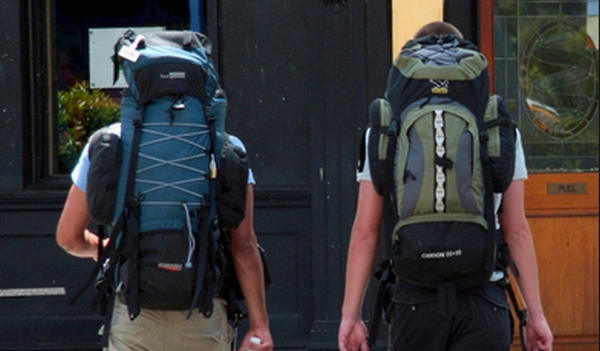
backpackersSecurity While Traveling – How to Stay Safe

Luggage – Ensure that luggage is locked. You can be not only robbed, but something could be planted in your luggage if it is left open, especially when crossing borders. When flying in the US, your luggage may be opened for a security check, so you may want to leave unlocked in that country.

Pickpockets – Wear a money belt; waistband ones are best. Do not wear good jewellery.  Also, better to not walk around with fancy electronics as you may be inviting a thief. Take taxis at night.

Distraction Theft – Someone distracts you while an accomplice picks your pocket. For example, kids swarm around you asking for money, or someone “accidentally” spills something on you.

Valuables – Keep all valuables in a safe, if you can, or locked in your room.

ATMs – Be aware of your surroundings when using an ATM.  Best to have a companion with you to keep an eye out and prevent someone from spotting your pin. Do not let a stranger “help” you.

Taxi Tricks

  • When you hop in a cab and ask to go to a specific restaurant, hotel, or shop, the driver tells you it’s “closed” but offers to take you to a “better” one.
  • When arriving in a new city, pre-arrange for a taxi pickup, or check if you can arrange for a taxi from within the airport terminal.
  • Be sure to know the rate before you get in a taxi and even if there is a meter, keep an eye on it. Taxis have been known to have the rate double or even multiply by 10 times. If in doubt, don’t pay until you have checked with someone at your destination.
  • Pay attention to the direction you are going. Some drivers will take you out of the way and drive in a big circle to increase the fare.

Fake friends

  • At the airport, someone can pick up your luggage and carry it for you to their car. They may not be legitimate taxi drivers.
  • At a bar or restaurant, you get stuck with the bill.
  • The Fake Gift – A vendor or stranger bestows a gift upon you. Then, after you have it, they demand payment, perhaps even threatening to call police.

Money/donations – Do not give money to children. It encourages them to beg and stay out of school. Rather, give a donation to a charity in the area. Do not give money to anyone unnecessarily.


Filed Under: Featured, Blog

Visit Kenya

August 1, 2014 By Cynthia Holmes

visit KenyaWhy visit Kenya? The thought of Kenya conjures up many romantic ideals – Hemingway on safari, Karen Blixen and her farm, the nomadic Masai tribes people, or hot-air balloon rides over the Masai Mara during the Great Migration.  It is a land of stunning scenery, mountains and plains, beautiful Mount Kenya, the Rift Valley, soda lakes and numerous National Parks and Reserves. The Masai Mara National Reserve is the most prolific game park in Africa, especially during the Great Migration when 2 million animals migrate from the Serengeti in Tanzania. Imagine the thrill of seeking out the big five – elephant, rhino, buffalo, leopard and lions. Here, the Huffington Post articulates 19 reasons why a person would want to add Kenya to a bucket list. http://www.huffingtonpost.com/claire-gallam/22-photos-thatll-make-you_b_5629608.html

Filed Under: Featured, Blog

Granny 103 year old Orca

July 7, 2014 By Cynthia Holmes

103 year old Orca GrannyGranny, the 103 year old Orca, also known as J2, is the oldest known orca, or killer whale, alive. The average lifespan of a wild female orca is 60 – 90 yrs.
Granny, along with her pod, made her annual return to her home waters in British Columbia just in time for Mother’s Day this year. It was the first time that the pod of resident whales had been spotted in the area this spring. The pod normally spends the summers in the waters between the mainland and Vancouver Island now known as the Salish Sea.

As the oldest known orca, Granny is used in arguments against keeping whales in captivity, due to the reduced lifespan of whales in captivity. The average lifespan for captured orca is 20 to 30 years.

Stories such as travelling 800 miles in a week are used to counter arguments by sea parks that whales do not need a large area to swim in.According to animal welfare advocates, long-distance swimming is integral to orcas’ psychological health and well-being. Certain aquariums are known to give misinformation to visitors, to justify what they do.

I had the privilege of seeing Granny 2 years ago, when she was escorting her 6 week old great (great) grandchild. It was thrilling! There are many whale watching companies in BC, and I seem to always use Steveston Seabreeze Adventures.

Filed Under: Uncategorized, Featured, Blog

Volunteering In Africa

July 5, 2014 By Cynthia Holmes

volunteer in Africa
Africa volunteering

While volunteering in Africa, at a preschool, I was wandering down the village road on my second day there, when about 12 kids adopted me. They took me into their mud house and showed me all of their possessions, consisting of a water barrel, 3 filthy beds for 7 children and a chair. They all sang songs for me, even the toddlers, taking turns and singing together. They were so sweet. One song was called “We are happy to see you today” and I really had to blink back the tears. It was just what I needed at that moment. My volunteer job was at a preschool for orphans. If you ever want to feel needed, go visit a preschool in Uganda.

Every day when I arrived at the school, the kids would all come running to greet me, grabbing my hands and climbing all over me. I usually had 4 or 5 kids hanging on each arm at a time. Sometimes they would fall asleep with their heads in my lap. I taught them nursery rhymes and songs and helped the teachers with correcting letters and numbers etc. I quickly found out that teaching kids is much different from teaching adults; you must repeat yourself dozens of times. The kids were taught in their local language, Lusoga, and English. They called me Madam “Sinseeah” or “Finfiya”.

I normally walked to work, 35 minutes along the main road that passed many villages. The people were very friendly, especially the kids. The adults would often ask me who I was and what was I doing there. They were very appreciative when I told them that I was helping out at a school. I have never shaken hands so much in my life. Our school had one classroom outside; the other two rooms had a dividing wall them that was open at the top so you could always hear the other classes. It got very noisy, especially when it rained on the tin roof.

The teachers are ecstatic when a visitor brings books, pens or just anything. Only 2 or 3 of the kids had shoes, a few wore flipflops and the rest were barefoot. It was so muddy when I first arrived, as it was the rainy season, so red mud got tracked everywhere, including my clothes. There was no running water at the school, so the kids drank from a jerry can and shared 2 cups. Occasionally, they were given toys to play with for an hour or so. The toys consisted of a few balls, grass dolls, broken plastic trucks, some bits of playdough, and some stuffed animals, all covered in dirt. The kids are so thrilled to have something other than the usual empty water bottles that they normally play with.

One little girl that I noticed, an AIDS orphan, was very bright and it broke my heart that her grandmother would likely not be able to afford to even send her on to primary school. Her eyes would follow me all day long, as she smiled shyly. Everyday she wore the same ragged blue t-shirt. Education is basically free for primary grades 1 through 7; however, the kids must buy a uniform and their own exercise books and pencils. For some families, those expenses are prohibitive.

A typical primary school has over 1500 children, and many classes are jammed packed with 100 – 150 kids. Some kids board at the schools, and their rooms are often just a bare cement floor with a thatch mat on the floor to sleep on. Every morning, when I arrived at school, I made a point of shaking hands and greeting the teachers. We would ask each other how was the night, how’s the family, how is “there” and how are the crops, chickens, or goats. We would also shake hands again when I left for the day, wishing each other a good day. The headmistress would thank me profusely every day and about once a week would say to me “Cynseeah, thank-you for loving us”.

Filed Under: Featured, Blog

Wildlife Sanctuary donations

November 14, 2013 By Cynthia Holmes

conservationIf you are wondering what to give a loved one, why not donate to a wildlife sanctuary on their behalf? It is truly a gift that keeps on giving as you help to feed and house rescued animals. Following are some to consider:

Elephants – David Sheldrick Wildlife Trust – Born from one family’s passion for Kenya and its wilderness, the David Sheldrick Wildlife Trust is today the most successful orphan-elephant rescue and rehabilitation program in the world and one of the pioneering conservation organizations for wildlife and habitat protection in East Africa. http://www.sheldrickwildlifetrust.org/index.asp

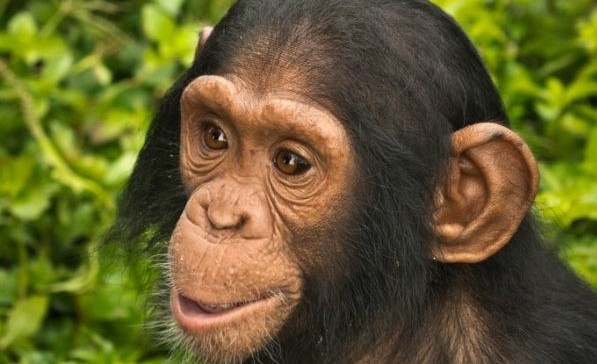
Chimpanzees – Ngamba Island Chimpanzee Sanctuary, Uganda – Chimpanzee Sanctuary and Wildlife Conservation Trust (CSWCT), an NGO, is responsible for all aspects of the sanctuary at Ngamba Island. Deeply committed to and involved in the conservation education of local communities, CSWCT also works with the Ugandan government and wildlife authorities in their rescue operations of orphaned and confiscated chimps. http://ngambaisland.com/

Mountain Gorillas – Dian Fossey Gorilla Fund, Rwanda – Gorilla protection in Africa, through anti-poaching and daily monitoring, is central to the Dian Fossey Gorilla Fund International’s historic mission. The many ways we protect gorillas have helped to stabilize the mountain gorilla population in Rwanda. http://gorillafund.org/page.aspx?pid=233

Rhinos, Chimps, and other wildlife – Ol Pejeta Conservancy, Kenya – The Ol Pejeta Conservancy is a not-for-profit organization situated in Kenya’s Laikipia County adjacent to Nanyuki town. Ol Pejeta is East Africa’s largest Black Rhino Sanctuary, the only place in Kenya to see chimpanzees and holds some of the highest predator densities in Kenya. http://www.olpejetaconservancy.org/about

Orangutans, Indonesia – Help prevent the extinction of the Sumatran Orangutan. They endeavour to contribute to the long-term protection of wild Sumatran orangutan populations and safeguard their habitat. Orangutans are threatened with extinction due to palm oil plantations replacing their forest habitat. http://www.sumatranorangutan.org/

Filed Under: Featured, Blog

Burma Trek

July 22, 2013 By Cynthia Holmes

burma-trek

Burma Trek

From Bagan we hired a taxi to drive us for 7 hours to Kalaw, a town located up at a higher altitude and cooler temperatures, only about 36C.  There we found the most wonderful trekking guide.  Ernest Singh is probably the loveliest man I’ve ever met. We spent 2 days and 1 night trekking.  Ernest speaks perfect English, as he learned it in school, and is delighted to answer all questions and provide any information.  This man is 64 years old and walks all over these beautiful mountains. The village tribes people welcomed him and us warmly.  Ernest had hired a cook to carry and prepare our food, and we hired a porter.

The first day we made a stop at a Monastery for tea and a young monk read Buddhist scriptures to us in 3 languages. He was actually chanting, and I was intrigued how he could know what notes to sing, as there were none indicated, and the chanting was obviously different for each language.  Apparently, the script indicates when to sing up or down a tone by tick marks on the characters.

We stopped at 3 more villages for lunch and tea and that afternoon before stopping for the evening.  All along the way, Ernest was able to bring joy to the people we visited, as he had photos that another tourist had taken a few months previously.  Most of these people have never seen a photo of themselves so they were absolutely thrilled.  Ernest also was delighted.  Each place we stopped we were so welcomed.  Out came the bamboo floor mats and a table, usually about 30 inches across and about 8 inches high.  You always remove your shoes before entering someone’s home, no matter how dirty it is, then sit on the floor around the little table.  Chinese tea is always served, often with a snack.  Many of the villages we visited were different tribes and they often wore traditional costumes.

The first day was a very long one, ending with a hike up a very steep mountain, to our home for the night, a monastery.  We could not believe our good fortune.  There are only 2 older monks who live there and they told us to make it our home.  They even offered us a private room, sort of, for the night, along with pillows, mats and blankets.  One of the monks seemed to always have a stogie hanging out of his mouth. Shocking!  Dinner was served to us by candlelight right in front of the altar, so it was just the two of us and Buddha – simply magical. The meal consisted of 8 courses and was one of the best meals I’ve ever eaten.  In the morning, before we left, we had the opportunity to sit with one of the monks and ask him questions.  Like most of the people here, he just smiled non-stop while enjoying our company, I think, as much as we enjoyed his.  Their jobs as Monks is to provide advice to people and set dates for festivals and of course pray and meditate, I suppose to think about the meaning of life.

All along our way kids would yell “bye bye” and “thank-you”, obviously learned from other foreigners who have passed through. They wave and yell and giggle.  We could sometimes hear them yelling “bye bye” but could not see them so we’d wave and yell back anyway.  The whole experience of the trek was wonderful.  I am overwhelmed by the generosity of these lovely people, and I will never forget Ernest’s kind and gentle heart.

From travel log – Cynthia Holmes

Burma, or other, tours 

Contact us

Filed Under: Blog, Featured

  • « Previous Page
  • 1
  • …
  • 6
  • 7
  • 8
Have questions or can’t find what you are looking for? We’re happy to help. Ask your question below.

    Your Name (required)

    Your Email (required)

    Subject

    [your-subject]

    Your Message

    Please Enter Code
    captcha  

    Your Tour Guide

    Cynthia Holmes
    Traveller / Owner
    Send an Email
    Tel: 1 (604) 685-0555

    Recent Posts

    • Why Travelers Are Flocking To Africa
    • Lose Yourself At Lewa Conservancy, Kenya
    • Chitwan National Park
    • Visit Alicante Spain
    • Need To Know To Book A Safari
    • Covid 19 Safety Protocols
    • Offset Carbon When Travelling
    • Sitemap
    • Contact
    • Booking Conditions
    • BenefacTours FAQ
    • Privacy Policy

    Copyright © 2026 BenefacTours Inc. 1489 Harold Rd. North Vancouver, BC, V7J 1X2 Canada

    Telephone Local: 1-604-685-0555 Toll Free Canada: 1-877-687-0555 Skype: benefactours

    Hours: Monday – Friday 8 am – 5 pm PST, Saturday 9 am – 4 pm PST